
Original Publication: November 3, 2025 / Updated: November 17, 2025
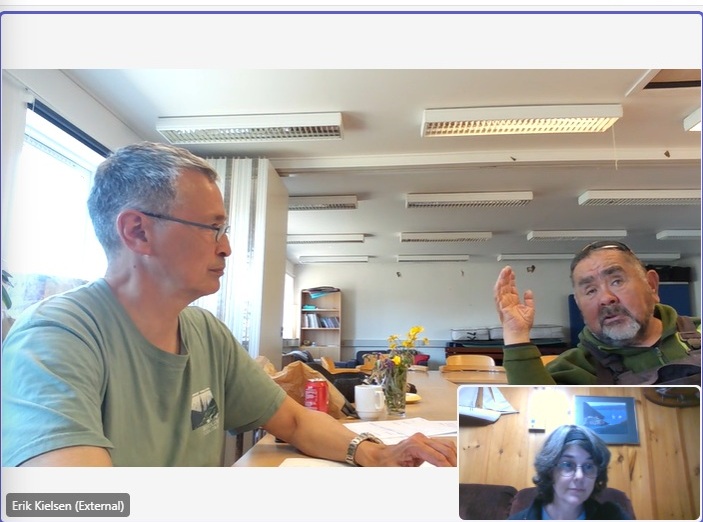
Seals, Stigma and Survival seeks to engage and reflect sealer/hunter/fisher views on the legacy of anti-sealing activism, the impacts of stigma against sealing and seal hunters, the implications of the European Union’s ban against the import of seal products based on moral objections to sealing for peoples on the ground and the importance of sealing to their cultures, economies and ecosystems. Indigenous representation on the sealing debate is essential but the logistical nuances of engaging hunters residing in the High North and rural locations, combined with funding limitations, necessitated adaptation. Our fieldwork focused on Indigenous engagement focused on Kalaallit Nunaat/Greenland and was undertaken through a hybrid in-person/virtual approach led in-person by secondary investigator Erik Kielsen in South Greenland and conducted remotely with principal investigator Danita Burke.
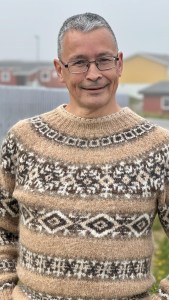
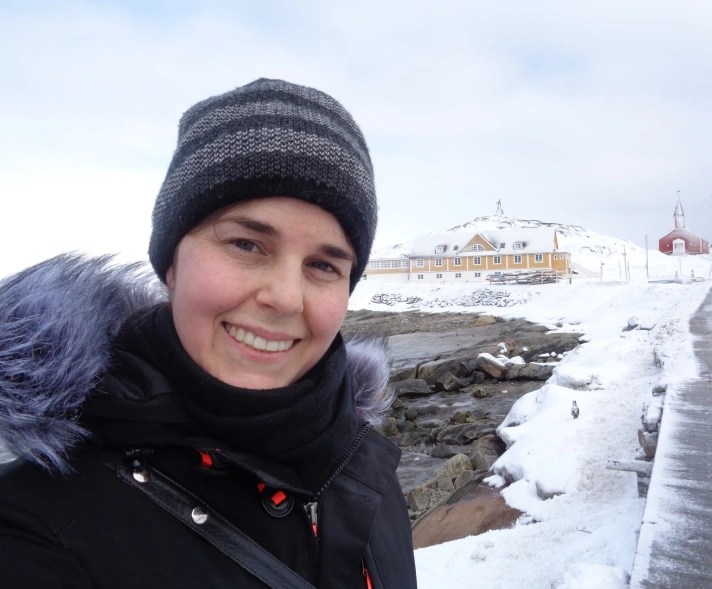
Kalaallit/Greenlandic hunters were engaged with in person in three communities in Kalaallit Nunaat: Narsaq, Nanortalik and Qaqortoq. The aim was to complete three interviews in each community. Ultimately seven interviews were conducted, with two additional interviews cancelled.
Kielsen is an experienced research logistics specialist and hobby hunter based in Qaqortoq. In addition to running his own research logistics company – Kielsen Coordination – he also works as a consultant for Innovation South Greenland (ISG). In his role at ISG, Kielsen was accompanied by Sara Lundgaard Jensen when he travelled to Nanortalik.
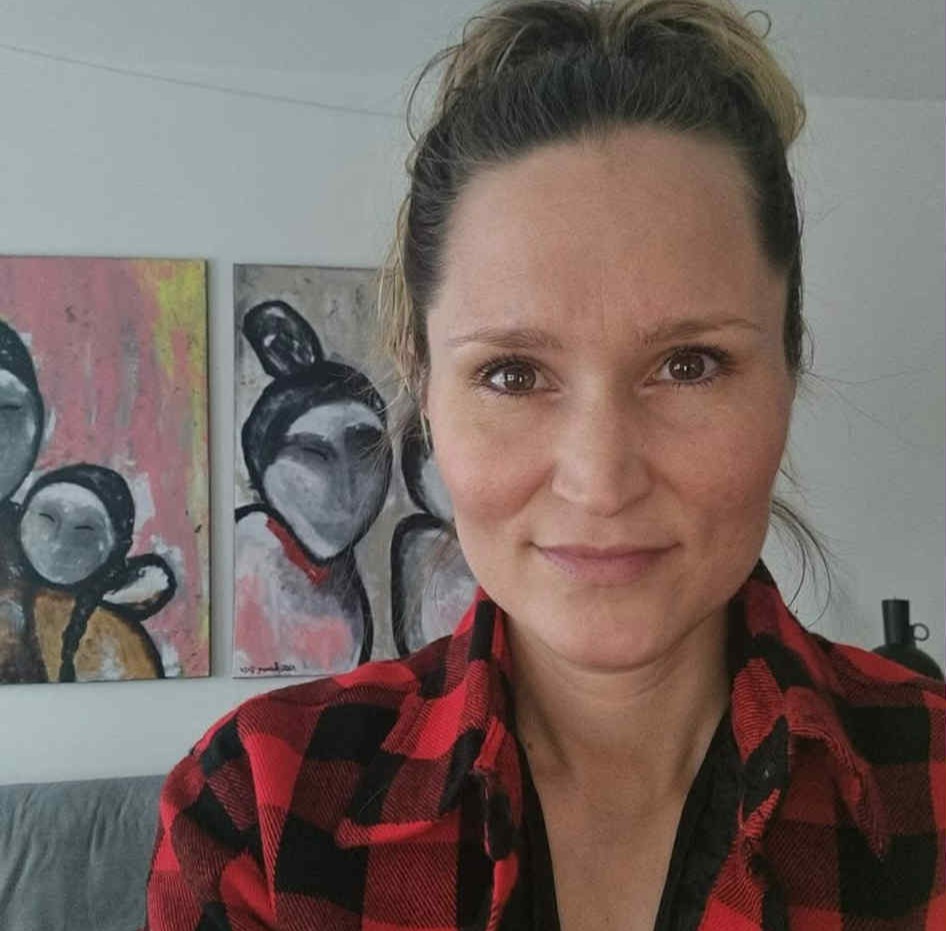
Jensen is a sheep farmer and student at Campus Kujalleq completing their service, hospitality and tourism management program. She was an intern at ISG from June to July 2025. In Nanortalik Jensen was with Kielsen as part of their onboarding training to operate as an ISG community liaison and consultant. Thank you to Sara Lundgaard Jensen for their work aiding Kielsen through notetaking and translation support while interviewing hunters in Nanortalik.
Project participants were identified and approached by Kielsen, with the interview consent form and information sheet translated into Kalaallisut by Kielsen and provided in advance.
| Table 1: Interviewees in Greenland | |
| Names | Dates |
| Kasper Motzfeldt | July 11, 2025 |
| Hans Kaspersen | July 11, 2025 |
| Ole Jørgen Davidsen | July 11, 2025 |
| Thor Eugenius | July 30, 2025 |
| Peter Jakobsen | July 30, 2025 |
| Gerhardt Jakobsen | October 3, 2025 |
| Otto Ole Noahsen | October 13, 2025 |
The English version of the consent form and information sheet was prepared by Burke. ISG, through Kielsen, provided guidance on requirements for engaging local hunters in the project, namely setting the honorarium and providing oversight of it to ensure that local hunters are acknowledged as knowledge holders and experts. All interviewees consented to Kielsen to review their transcripts prior to their use in the project. Kielsen was provided with both the transcript and the audio recording of the interviews for the translation and transcript review.
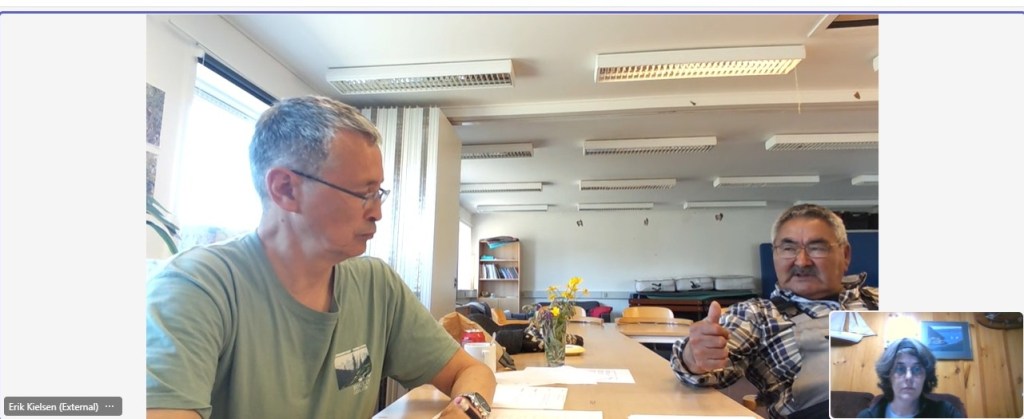
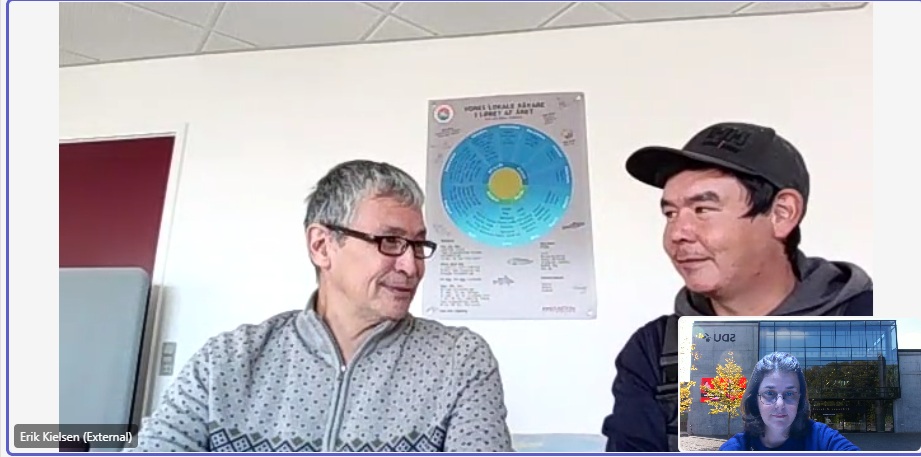
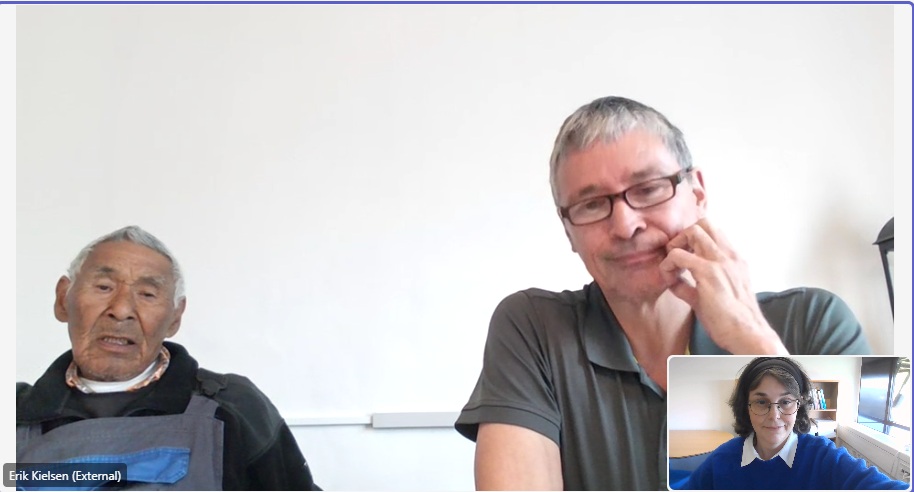
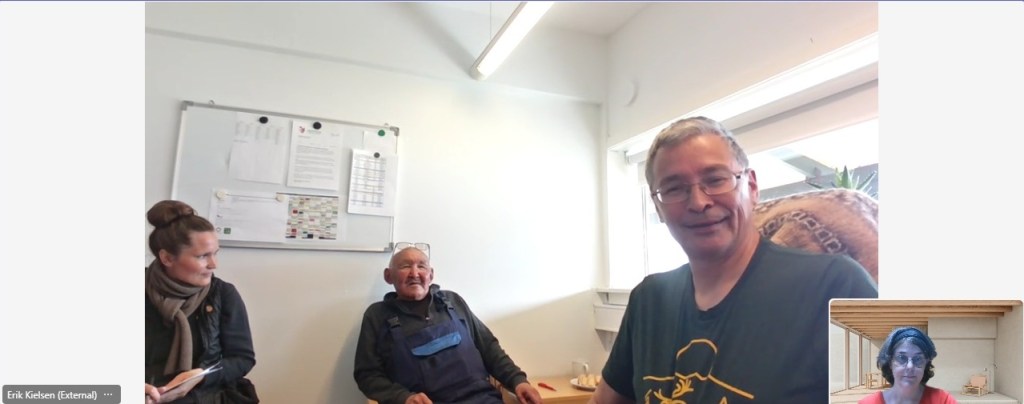
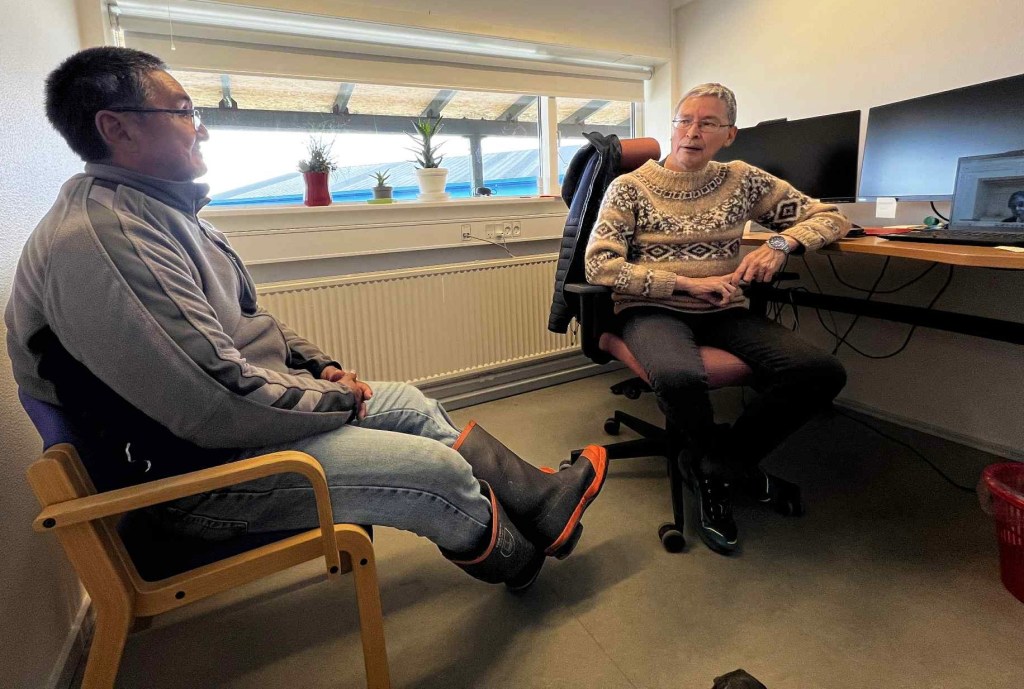
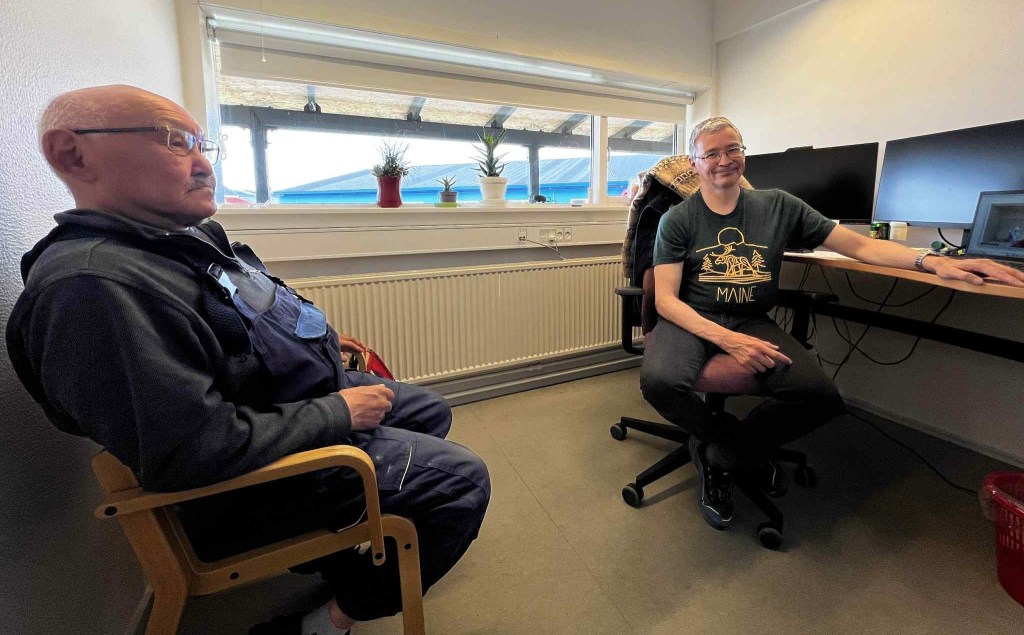
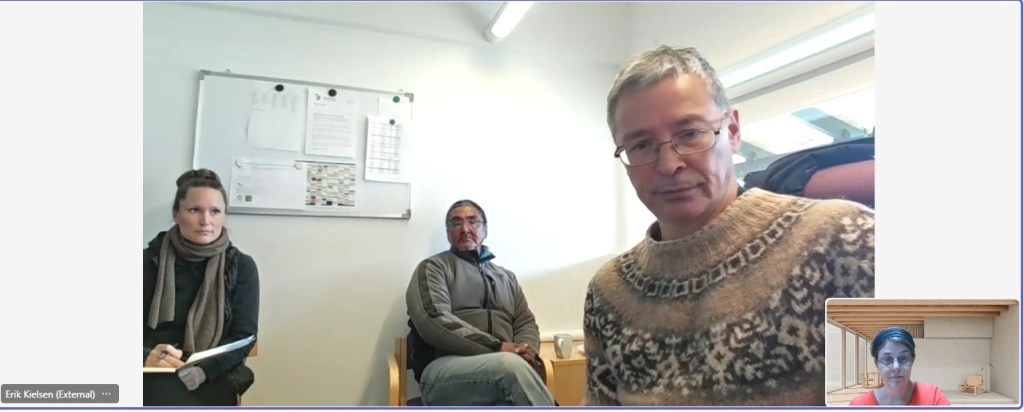
The fieldwork in Kalaallit Nunaat received financial and in-kind support from ISG, in addition to primary project support from the Nordic Arctic Programme. Many thanks to the funders for supporting Kalaallit engagement as part of the primary research for “Seals, Stigma and Survival”; this research would not have been possible without your support.
Of the people spoken to, interviewees included local chairs for community branches of Fisker- og Fangersammenslutningen i Grønland (KNAPK), the hunting and fishing association for people operating in Kalaallit Nunaat.
Key takeaways:
- Strong desire for the EU to listen to Kalaallit hunters and approach the subject of sealing with a more informed open mind; not be driven by activists who do not understand life living in extreme climate and logistical conditions;
- Local community representatives for KNAPK in Narsaq and Nanortalik were unaware of the public consultations for the 2024 EU fitness check of its trade ban on seal products regulations or that a review of the regulations was happening. They did not have the opportunity to submit feedback, as a result, and the lack of awareness prevented them from being able to serve their communities by speeding the news locally so local hunters and community members could submit feedback either;
- For more information on this, please check out the article by Burke and Kielsen in The Conversation: “The European Union excluded Greenland from public consultations on the EU seal product ban. Why?” (Published on August 27, 2025)
- Discussion paper published via SDU Arctic authored by Burke and Kielsen: “Acknowledging and Addressing the Absence of Greenlandic Input into the EU’s 2024 Public Consultations on the Fitness of its Trade in Seal Products Regulations” (Completed November 8, 2025/Published on November 17, 2025)
- No hunter spoken to for this project had heard of the 2024 fitness check until they were asked about it during their interview, so none had an opportunity to participate in the EU’s data collection process to inform their review of the seal ban regulations;
- Before anti-sealing activism began and the EU bans (1983 and 2009) drove down the price of seal pelts, local hunters had the potential to make a living from hunting seals alone. Now that is increasingly difficult as many hunters have to diversify into other commercial fishing industries. This includes, for example, having to leave their communities for long periods to work on offshore trawlers;
- The low price of seal pelts, and restriction to two commercial seal species – harp and ringed seals – is discouraging youth from becoming professional hunters. The average age, approximately, of local professional hunters is aged 50-60+;
- Most hunters spoken to report observing youth interest in seal hunting but note that the many rules and restrictions on both hunting and exporting seal products, combined with low prices (previous point), deters youth from becoming professional hunters; and
- Fear for the endurance of cultural practices associated with seals is prevalent, such as the importance of fermented hooded seal fat. Fermented hooded seal fat is very important to South Greenlandic culture and diet, with a number of the hunters spoken to being experts in preparing the delicacy. Hunters spoken to observe that the consumption of fermented hooded seal fat, however, is decreasing in tandem with increased imports of foreign-produced meat and processed foods.
Authors: Danita Catherine Burke and Erik Kielsen
 Seals, Stigma and Survival
Response to “Kalaallit Nunaat/Greenland Fieldwork – July-October 2025”
[…] Nunaat region. The text in the report is authored by Marie Kingo Jørgensen, Nina-Vivi Andersen, Sara Lundgaard Jensen, Erik Kielsen, Miki Jensen, and Arnaq Bjege, with the photos provided by Erik Kielsen, […]
LikeLike