
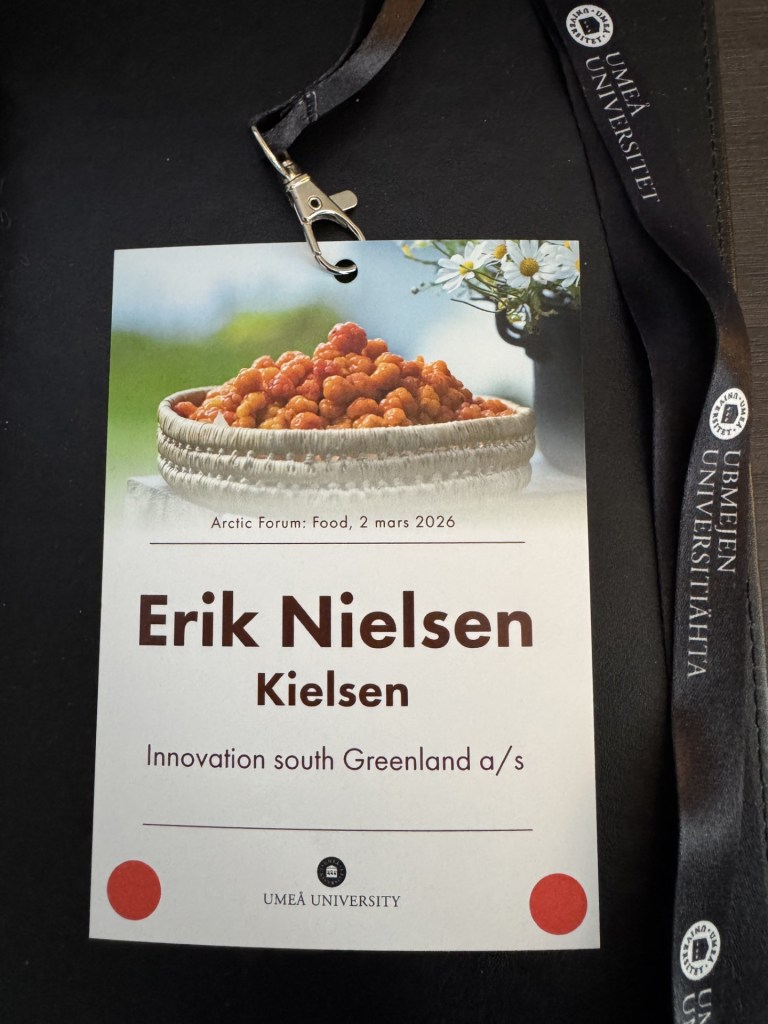
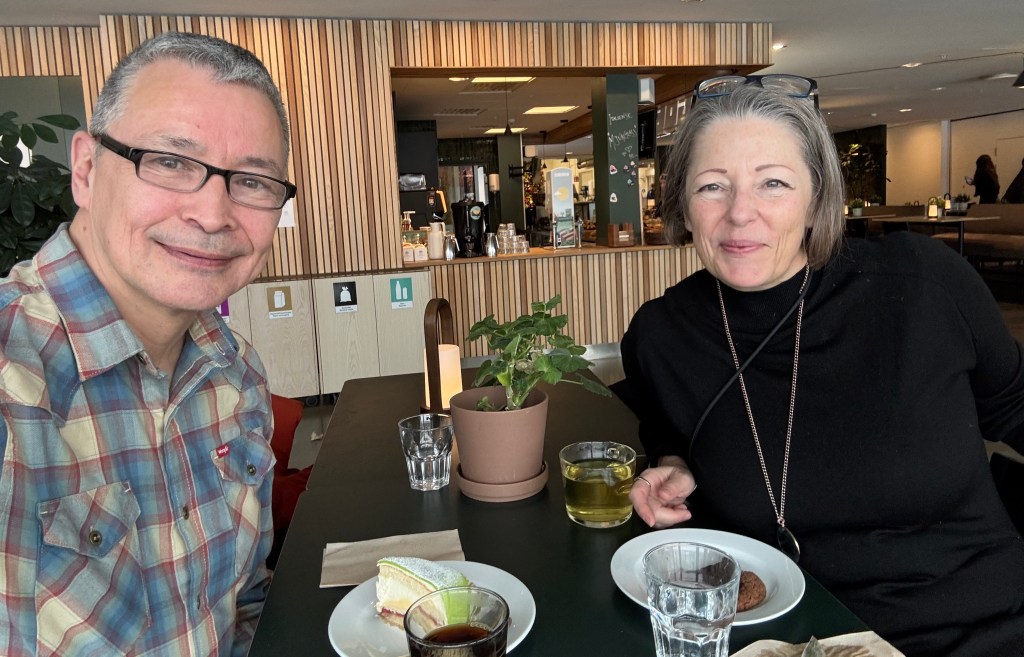
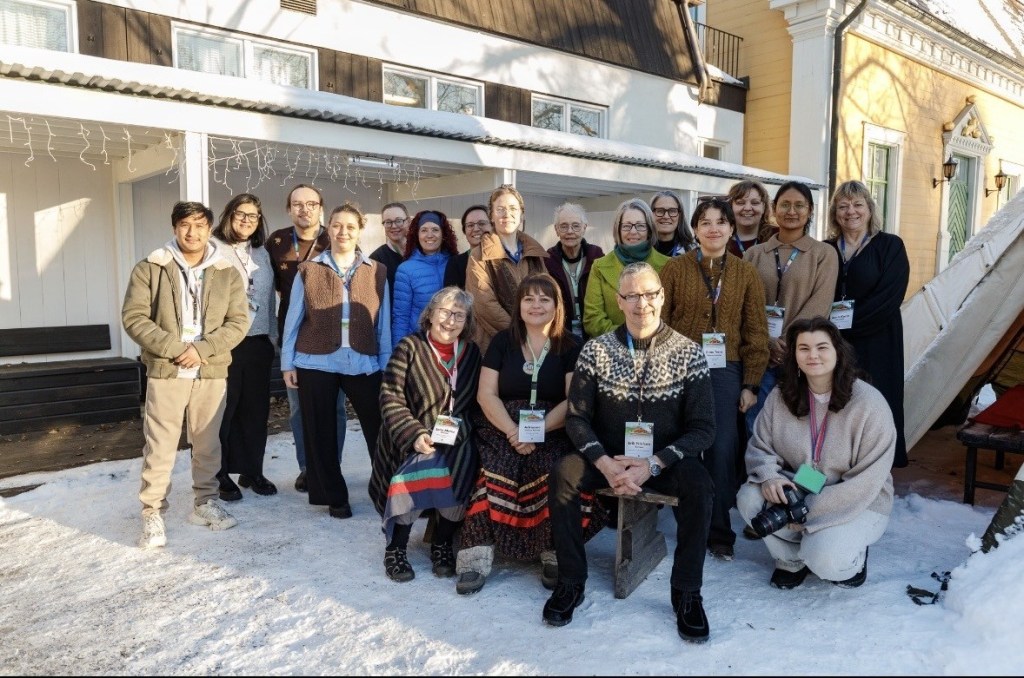
On March 2, 2026 Erik Kielsen attended the Arctic Forum: Food at Umeå University in Sweden representing Seals, Stigma and Survival and Innovation South Greenland.
The Arctic Forum on Food brings together researchers, policymakers, Indigenous knowledge holders, and innovators to explore two critical questions: How can we ensure sustainable, healthy and culturally grounded transitions in a rapidly changing world? And what role might food and Indigenous knowledges play in transitions?
The following is Erik’s summary of his time in Umeå. Many thanks to the event organizers Lena Marie Nilsson and Danielle Wilde for their hospitality toward Erik and the wonderful event that they organized!
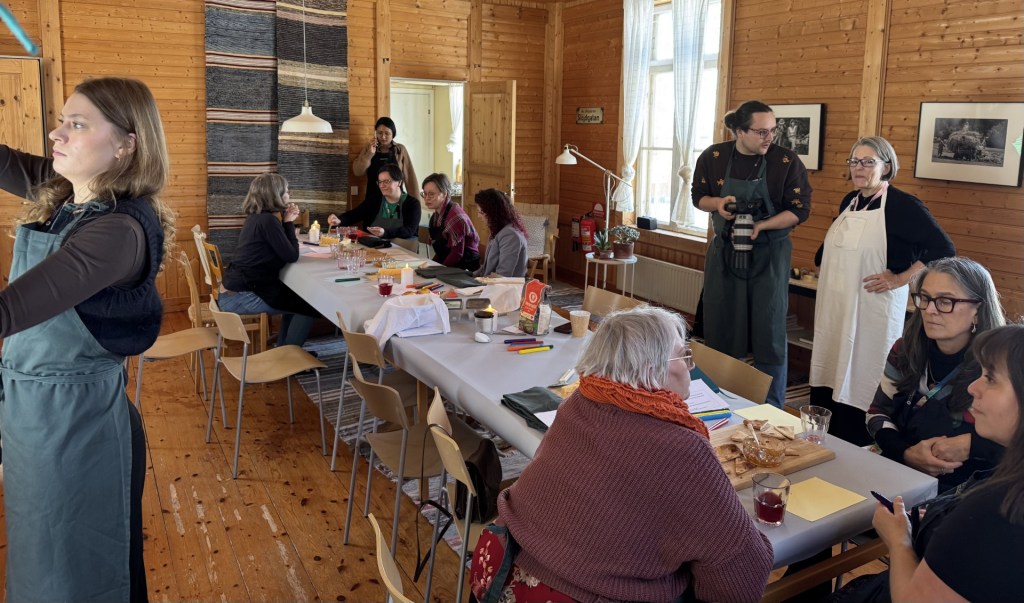
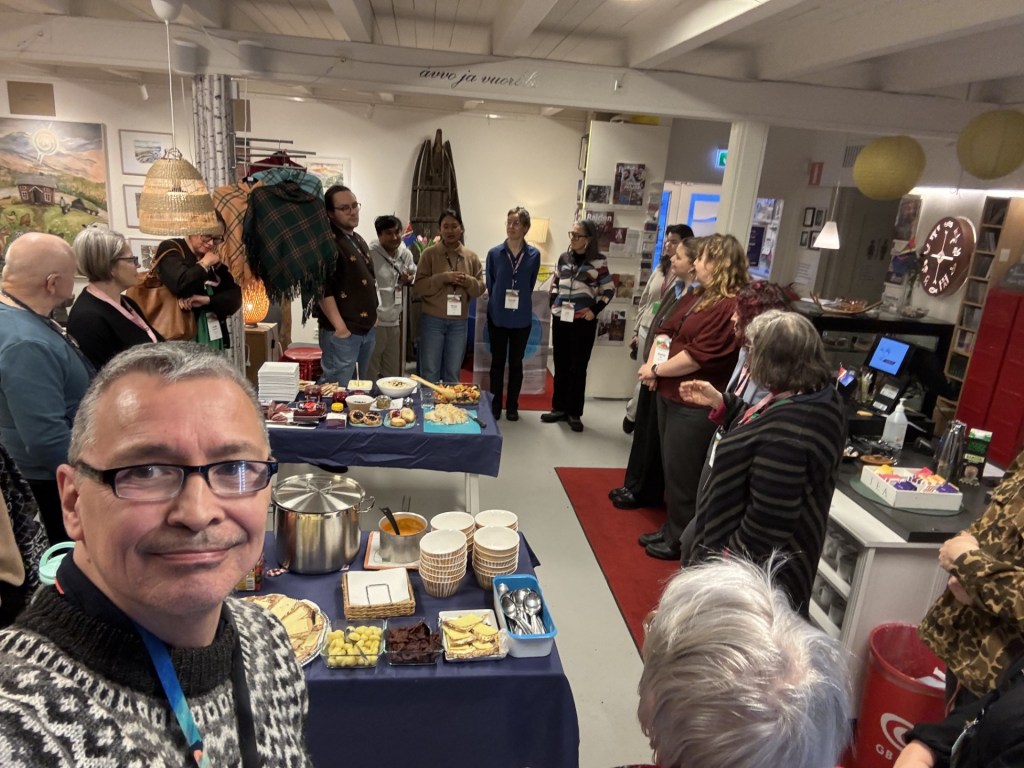
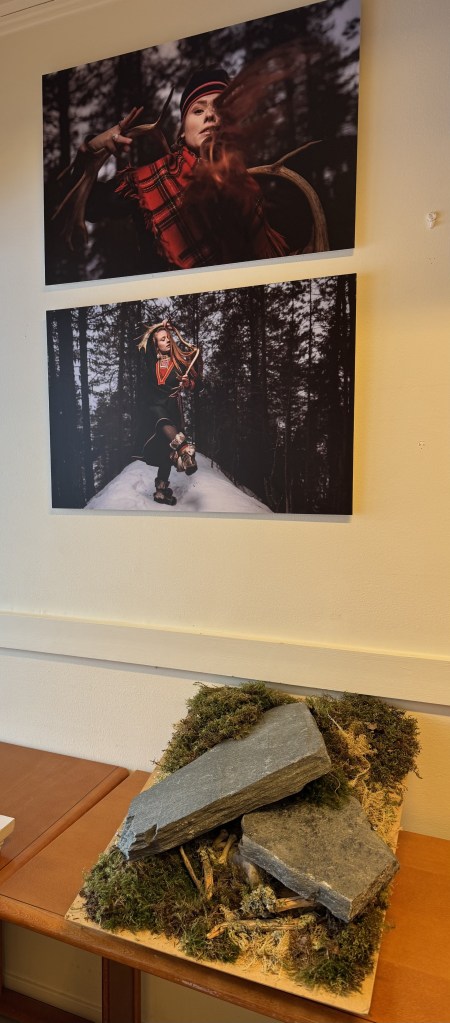
I arrived in Umeå late in the afternoon on Sunday, March 1 and on Monday, March 2, all the participants met at Täpphie, the beautiful Sámi cultural house in Umeå. It is a wonderful and colorful cultural center. I arrived wearing my sealskin boots from our own Great Greenland tannery and my Polar Fox hat, which is 100% locally made by a retired sheep farmer.
The forum started with a welcome by the hosts Lena Marie and Danielle.
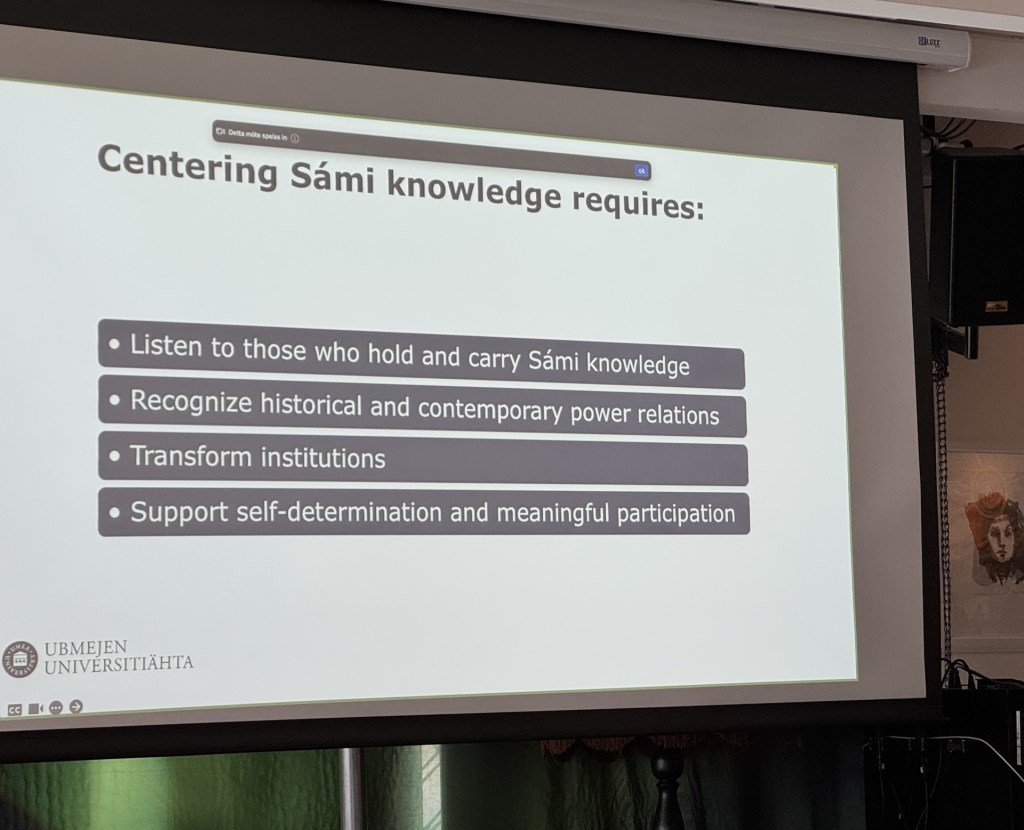
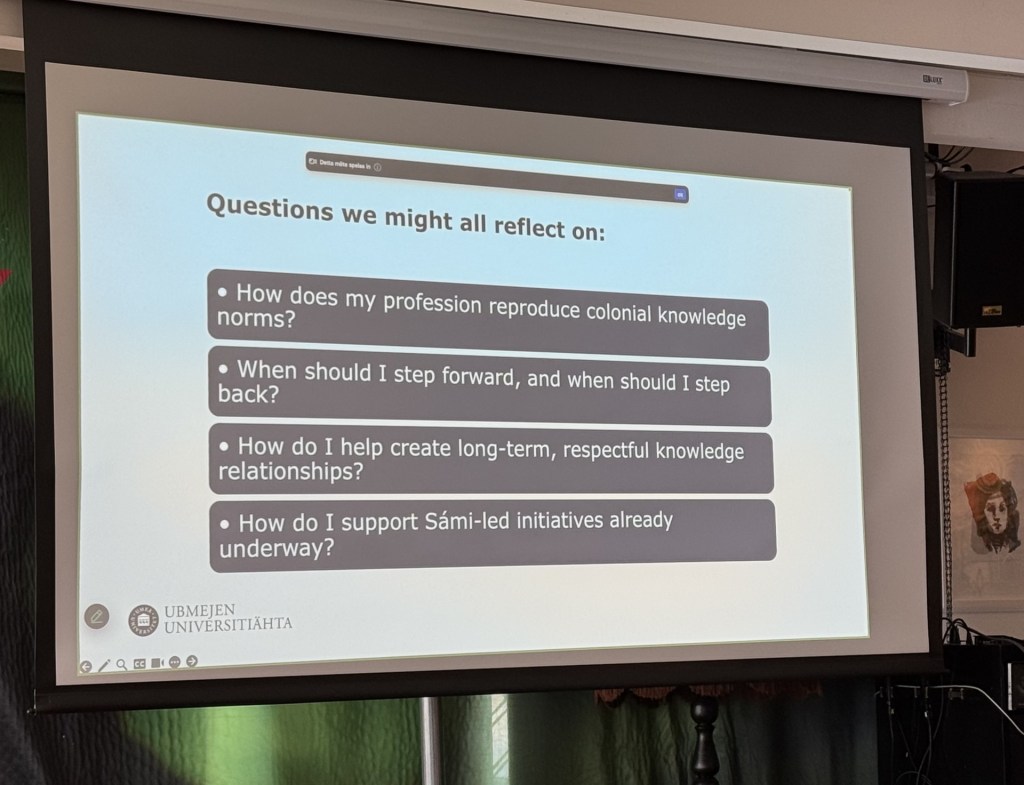
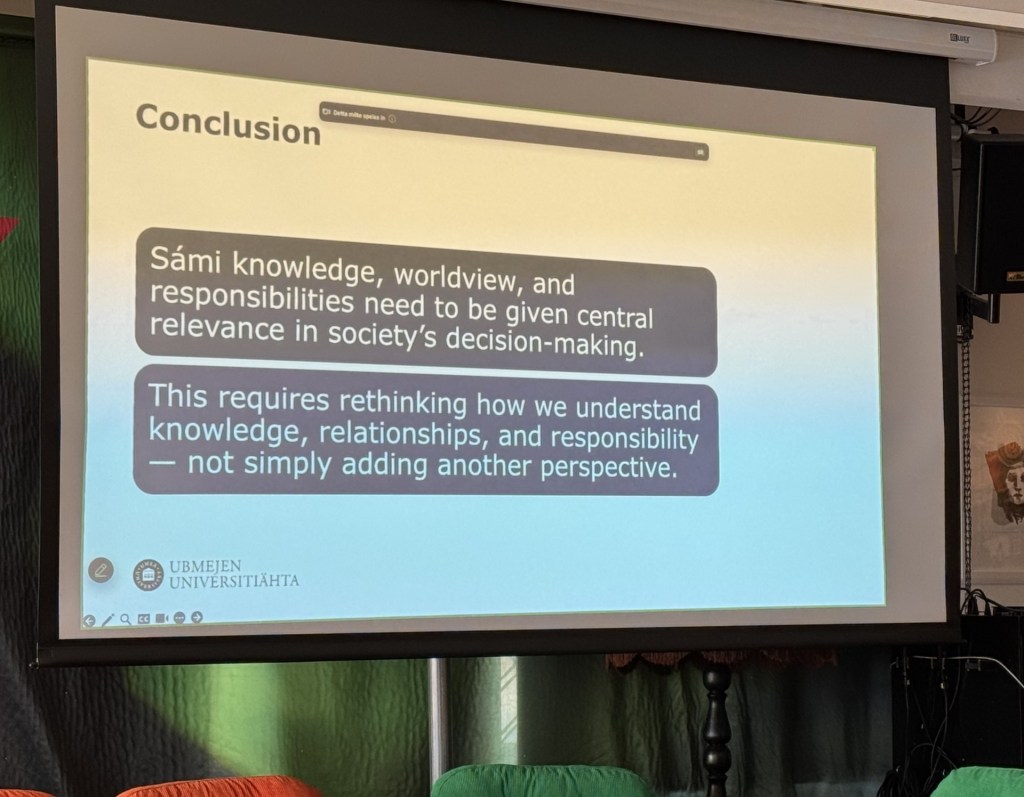
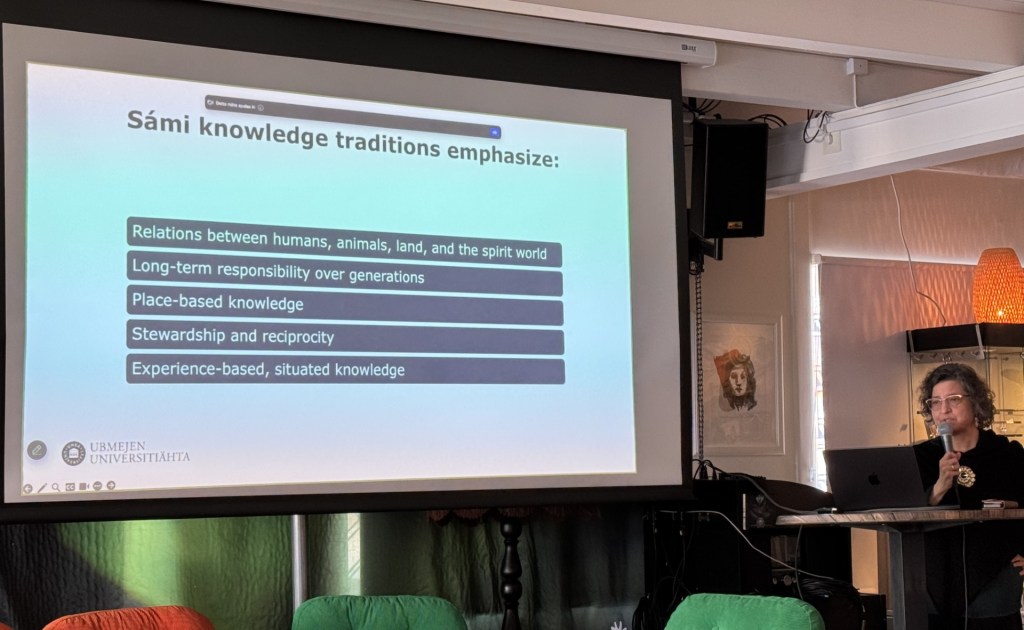
- This was followed by a presentation about Sámi history, culture, way of life, and self-sufficiency (challenges and opportunities).
- There was also an online presentation from Australia about experiences with wildfires, including unused methods of combating fires based on Aboriginal knowledge, which also affects their own food systems and self-sufficiency. The presentation also addressed challenges related to decision-makers.
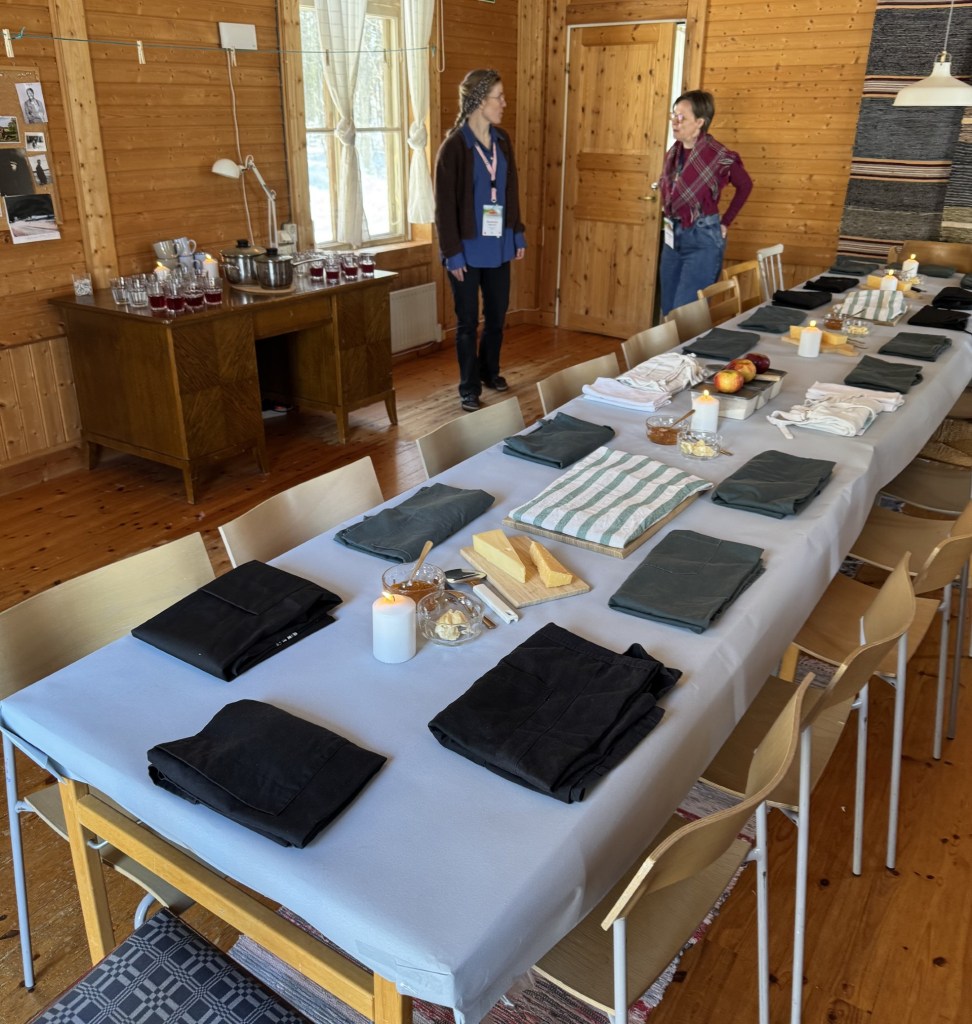
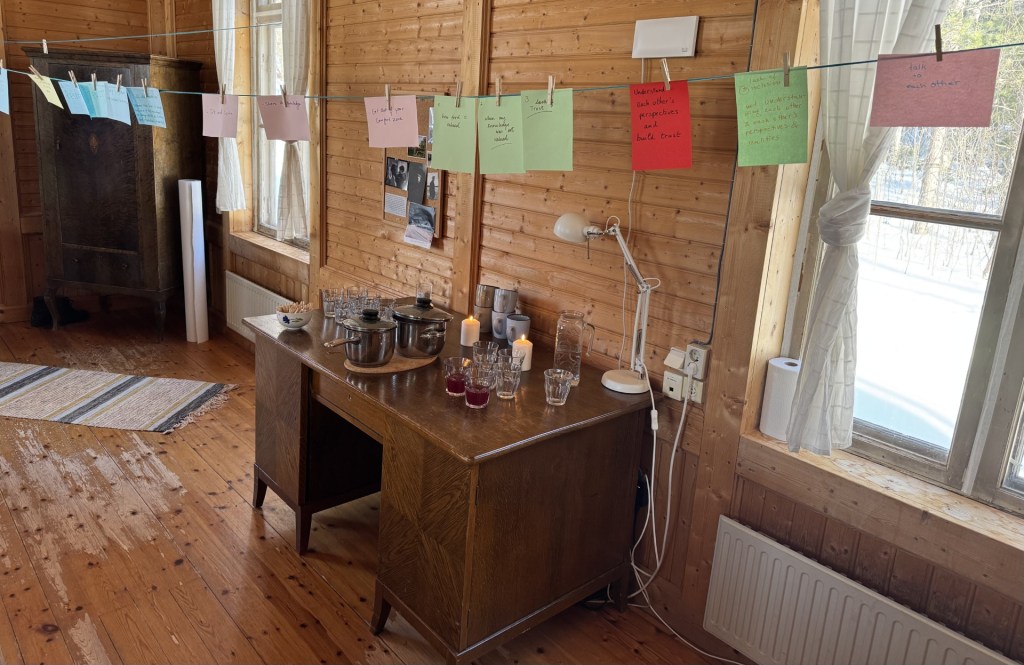
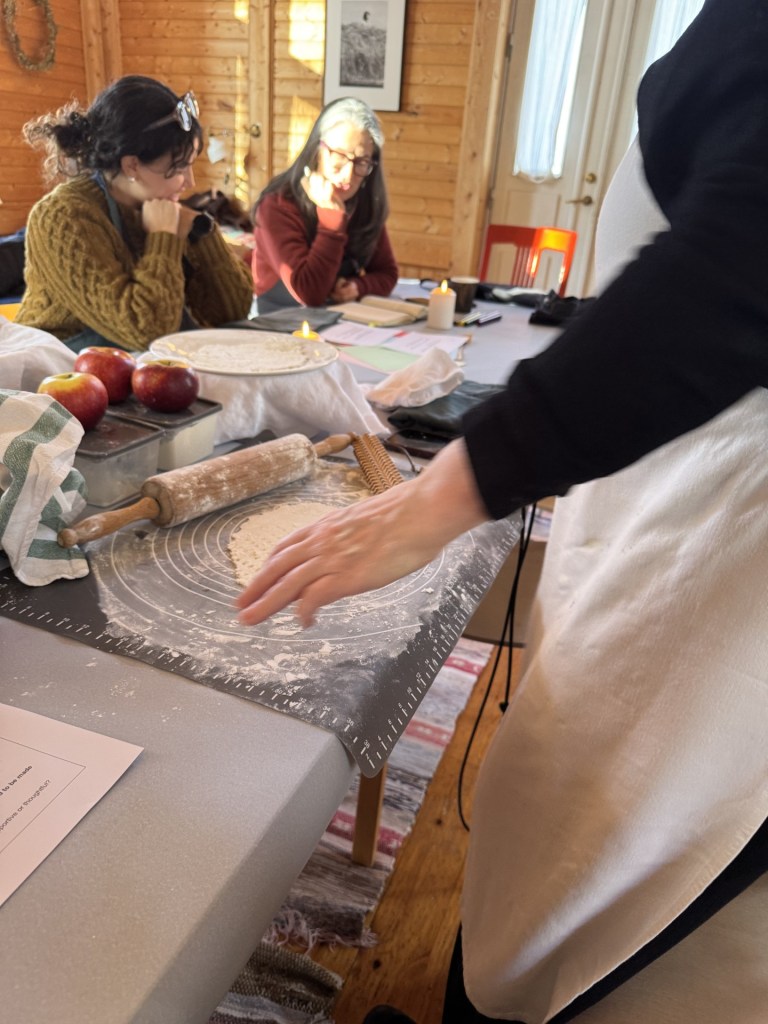
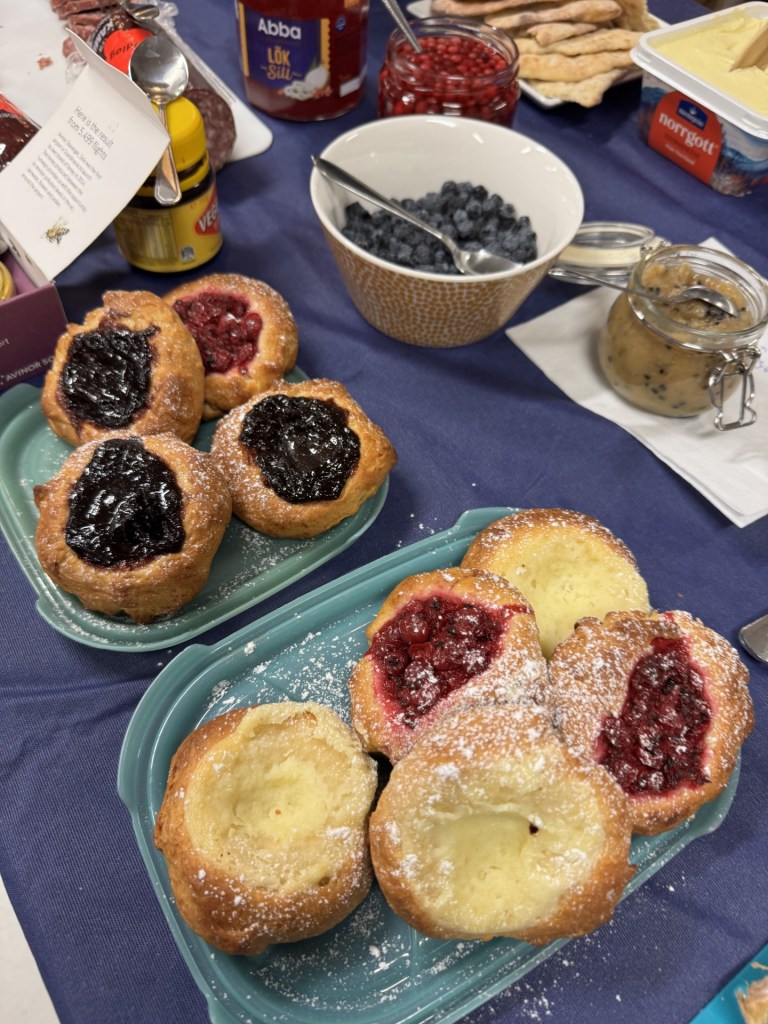
We then moved on to food workshops in groups, discussing topics such as “Poor decisions” and “What can we do better.” There were very good conversations among participants, all of whom work with improving self-sufficiency, while we were served homemade bread, cheese, jam, and juice made from berries from nature.
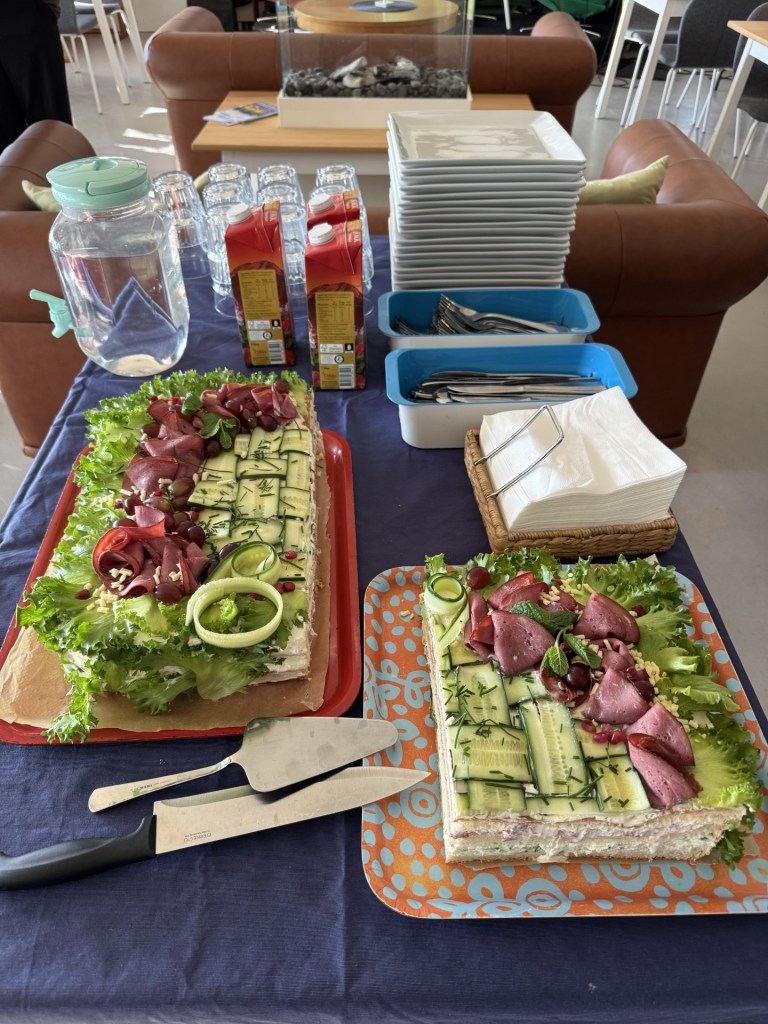
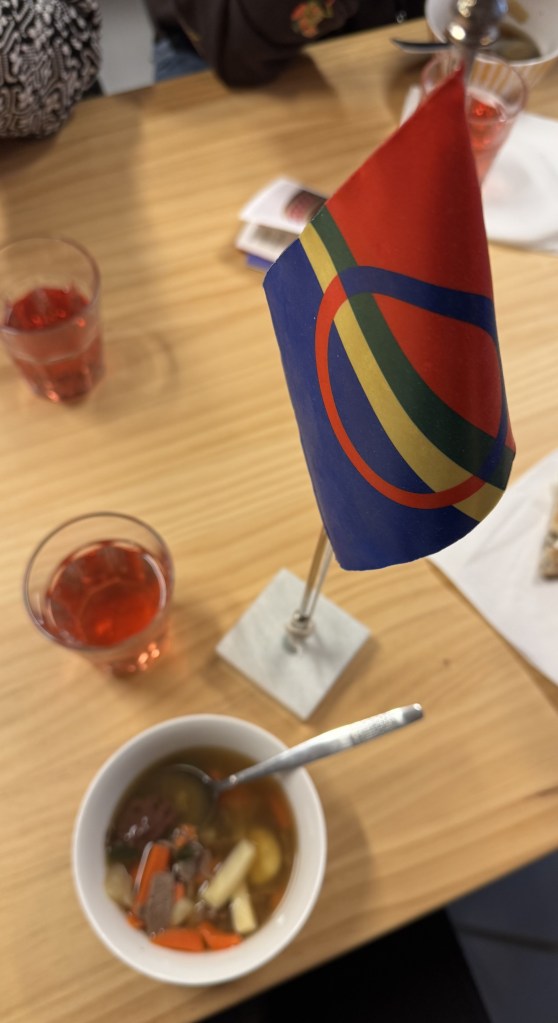
- Lunch consisted of a mix of Swedish and Sámi bread with various ingredients and with juice made of berries from the nature.
- After lunch we continued with the theme “What decision should you have made” in new working groups, again with very constructive conversations and solution proposals.
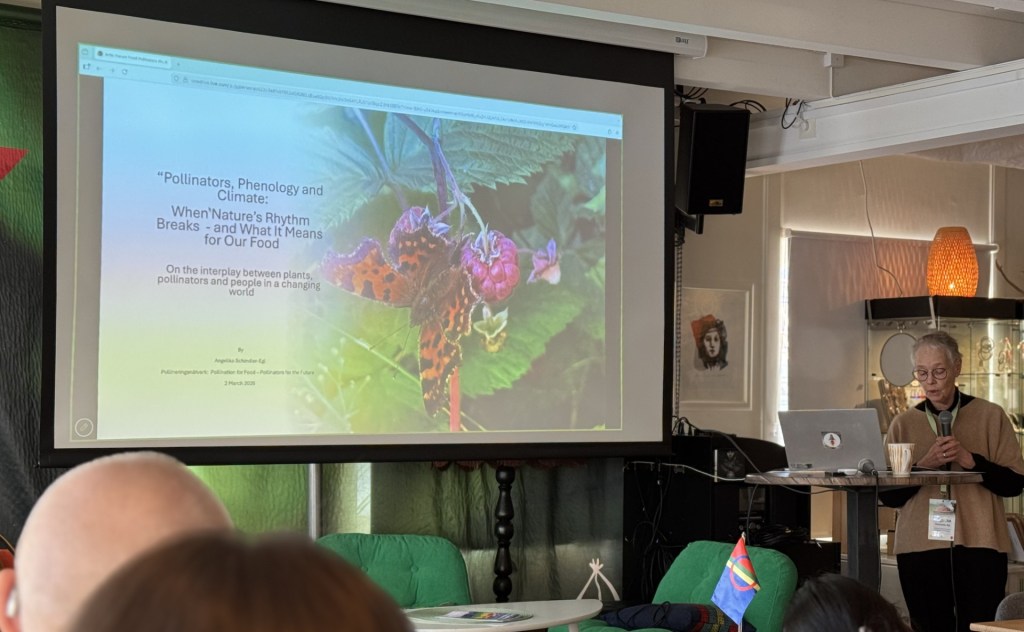
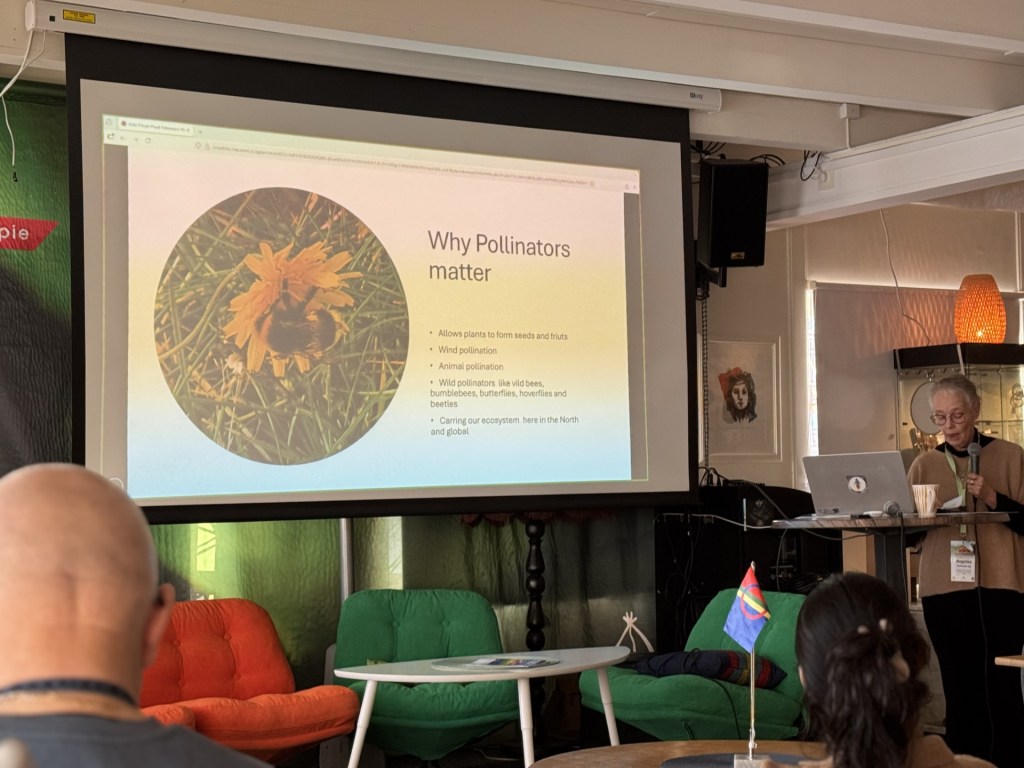
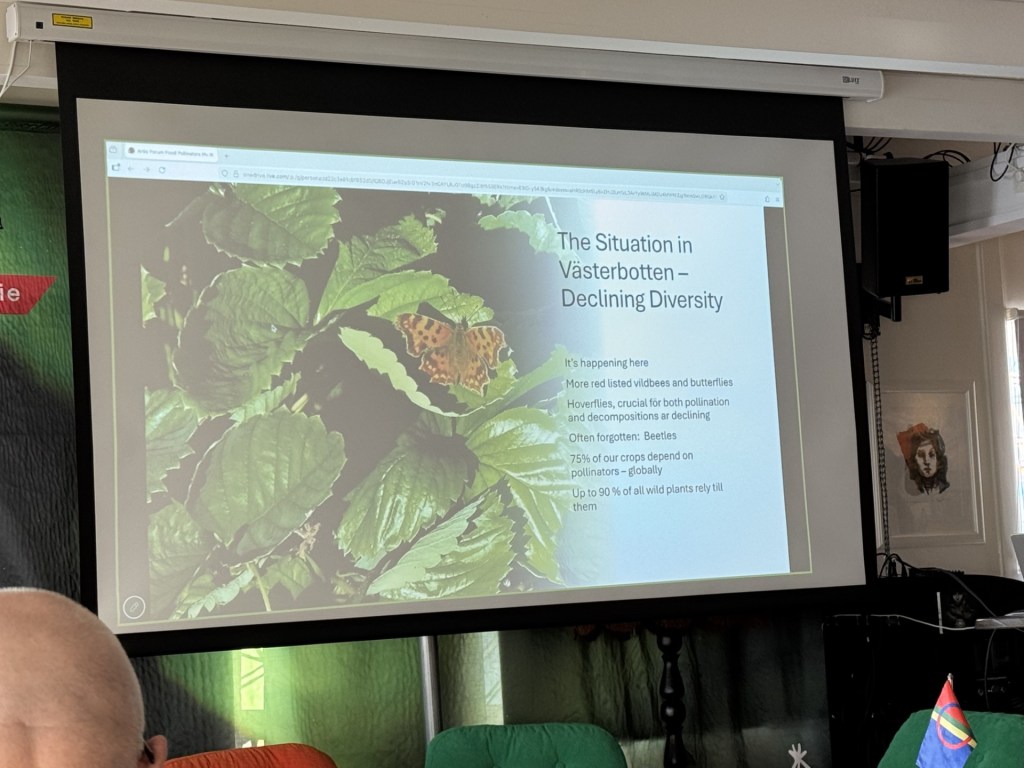
After the group sessions, Angellica from Germany gave a presentation about the importance of pollinators in nature and for food systems and self-sufficiency. She explained the entire chain of pollinators, including the many types of bees that play a crucial role in ecosystems. She also spoke about phenology—nature’s calendar, rhythms, and changes—as well as declining biodiversity. A key message was the importance of respecting nature, and that climate change creates double pressure on ecosystems. This was an interesting topic, especially since we have also had some beekeepers in several sheep farming areas in South Greenland.
There was also a presentation by Adrienne Lickers from Six Nations in Ontario about food systems more broadly. She emphasized that food helps us navigate, connect, and build relationships, and highlighted the importance of protecting the people who protect the reindeer.
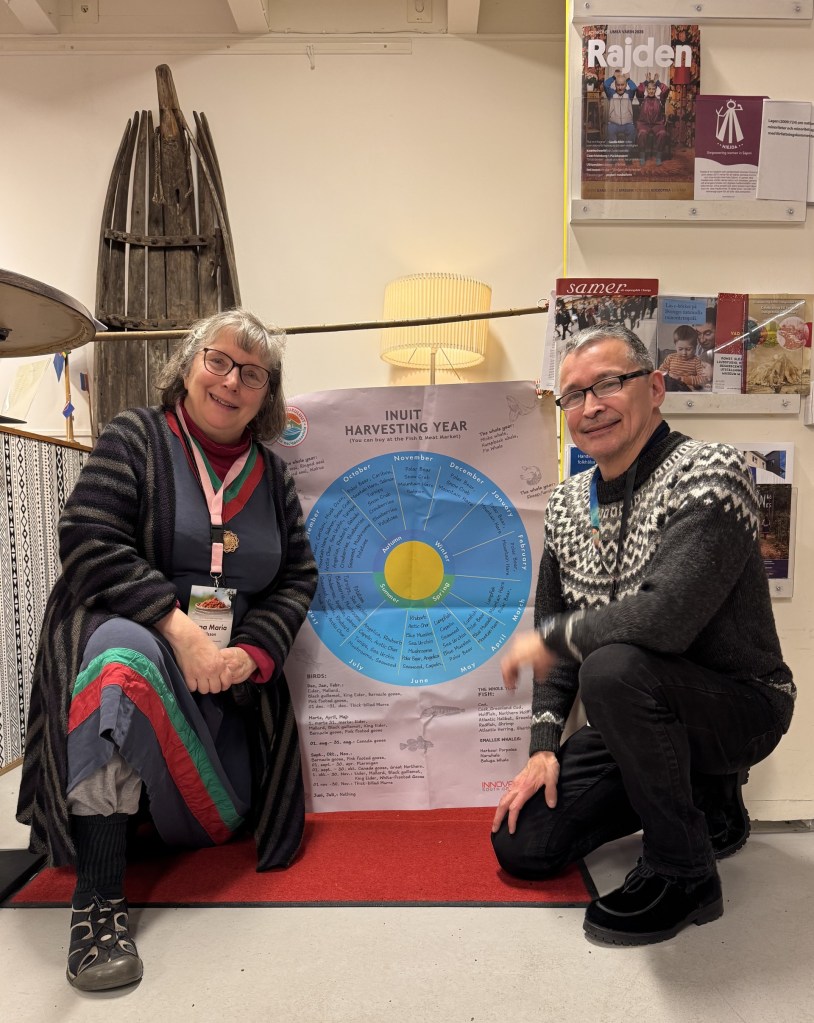
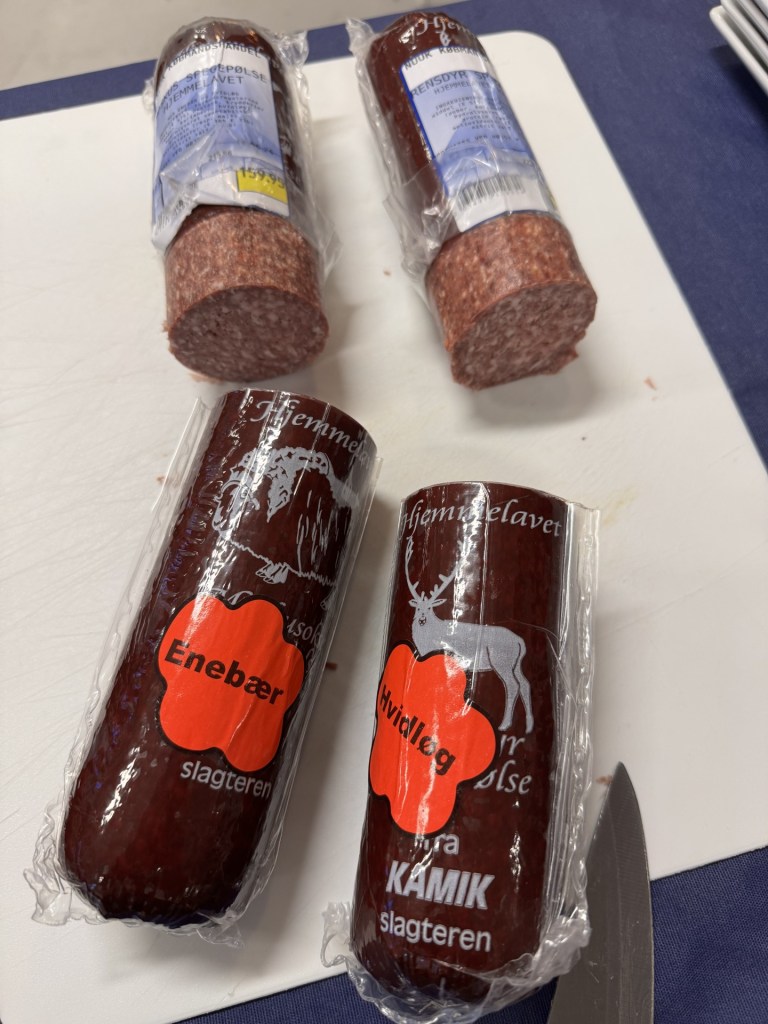
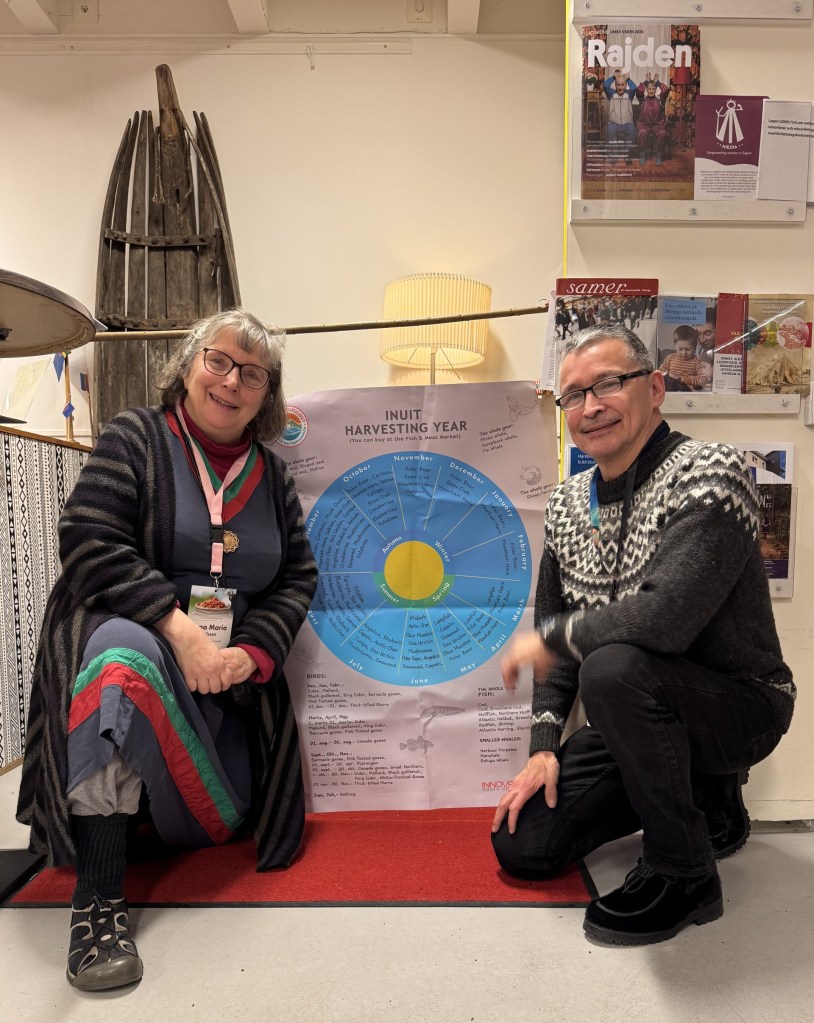
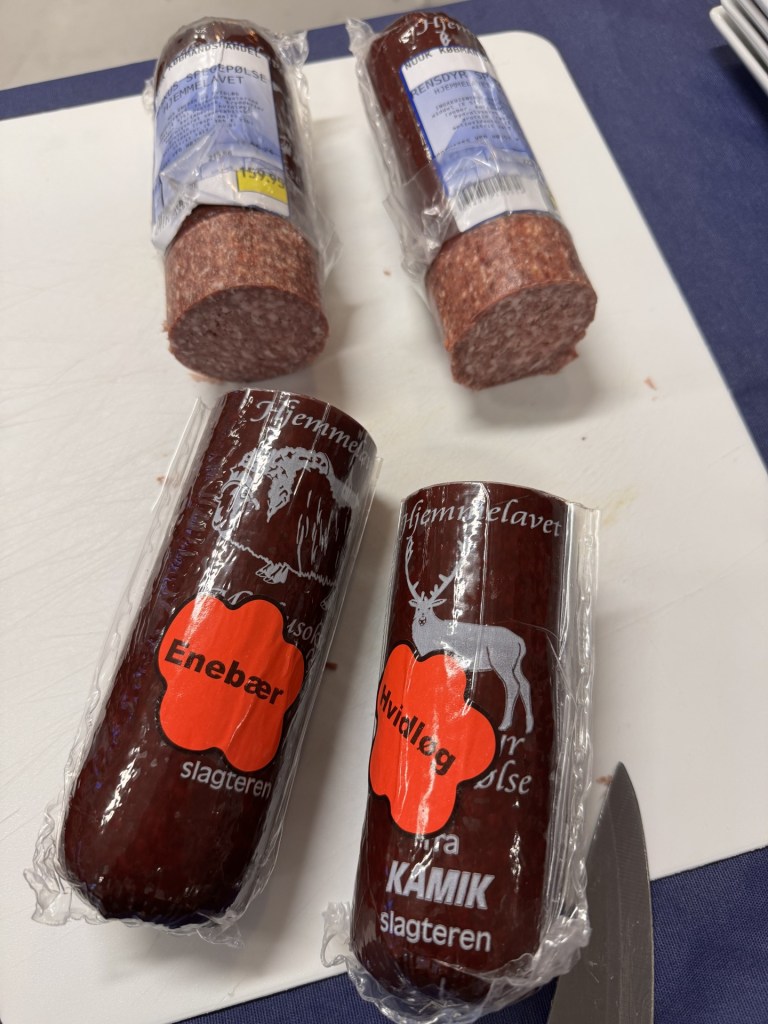
In the evening we had a shared dinner where participants brought food from their own regions and cultures. We told about the food we brought individually. I brought reindeer salami and muskox salami from Greenland. I also gave our “Inuit Harvesting Year” poster to Lena Maria, and she said she would hang it at the university.
I was treated as an honored guest by the hosts, which was a great honor for me. I also had a very good conversation with Helen Krüger from the Canadian Embassy in Stockholm about possible cooperation and greater openness within the EU regarding sealskins and related matters. She was the one who approached me about this topic.
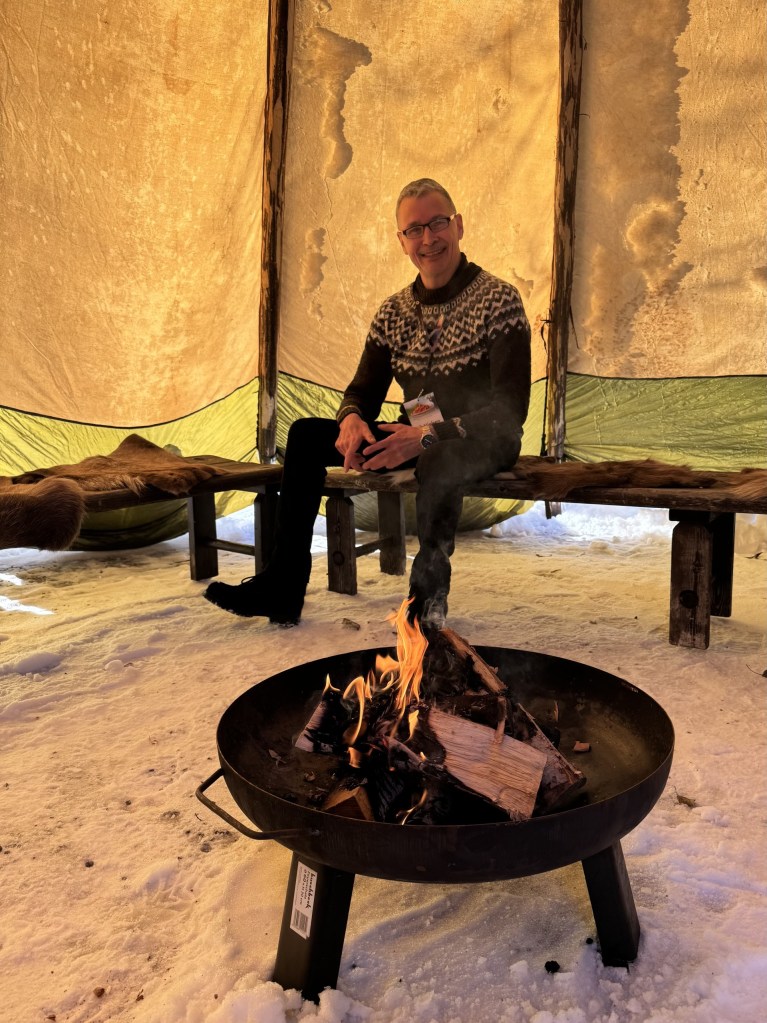
On March 3, I had a late-morning meeting with the organizer and co-host Danielle Wilde (Food & Design), followed by lunch and a tour of her department working with Food & Design. We discussed possible collaboration in the future.
Overall, I gained a lot from participating in the forum, and I believe I was also able to contribute valuable knowledge to the other participants and the organizers. I did not know what to expect when I left for the forum, but I came away with a wonderful feeling that the whole experience was a success.
Author: Erik Kielsen
 Seals, Stigma and Survival