
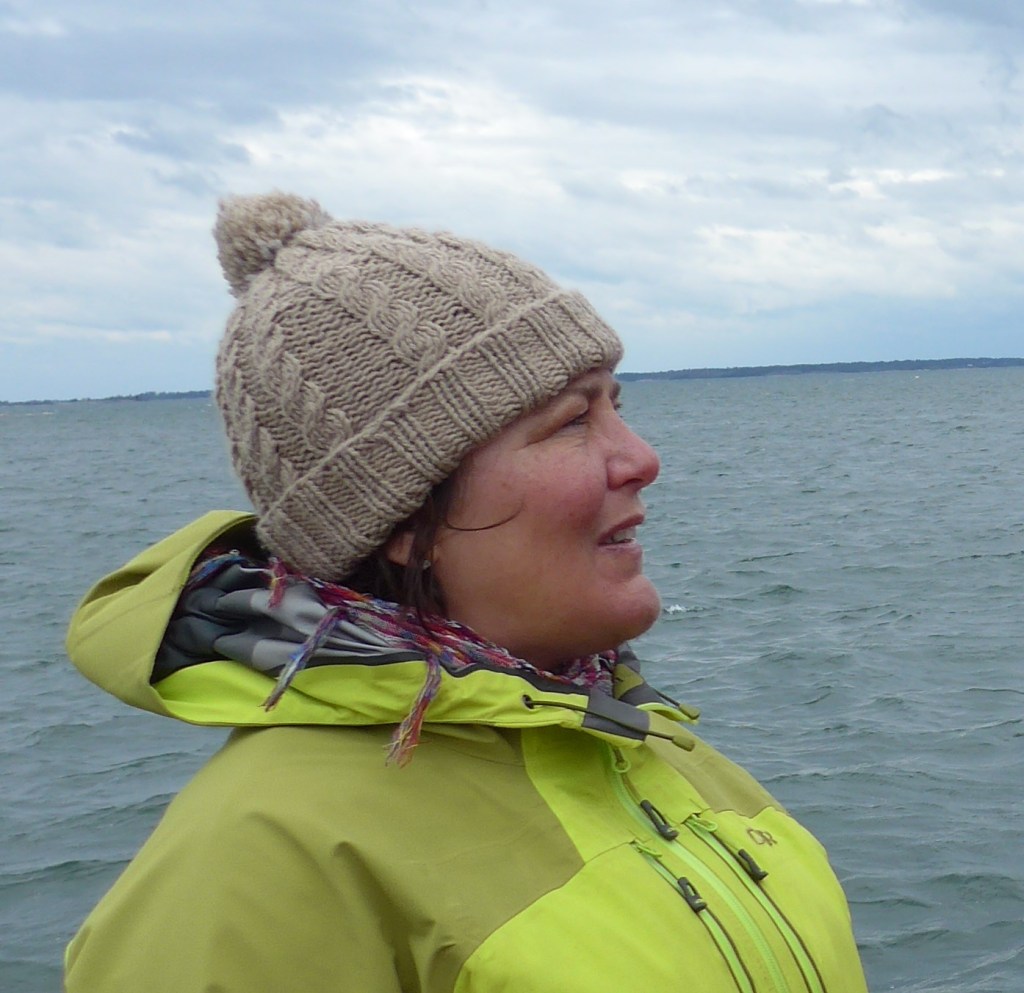
Dr. Kristina Svels is a senior researcher at the Natural Resources Institute Finland (LUKE) and an Associate Professor at Åbo Akademi University, Finland. Dr. Svels specializes in marine governance with a particular focus on fisheries in transitioning societies. Her interdisciplinary expertise and research interests encompass fisheries governance, gender dynamics in blue sectors, sustainability, and human-wildlife conflicts in resource management. She actively collaborates on studies involving Fisheries Local Action Groups (EU FLAGs) and has led social research on the Baltic Grey Seal and the small-scale fisheries sector in the Baltic Sea. As a co-founder of the gender research network Sisters in the Arctic Blue, she has been dedicated to advancing marine social science and has served as Secretary of the European Society for Rural Sociology (ESRS) since 2011. She is the co-author of: “Struggling towards co-existence of the Baltic Sea coastal fisheries and the grey seal” (with P. Salmi, N. F. Coelho, V. Eriksson, S. Königson, E. Lehtonen, S-G Lunneryd, P. Suuronen, M. Vetemaa, Å. Waldo) (2025, Maritime Studies), “Mitigating a social conflict between seal, conservation and fisheries in the Baltic Sea: multilevel and synergistic approaches” (with Pekka Salmi, Petri Suuronen, Nelson F. Coelho, Åsa Waldo, Sara Königson, Sven-Gunnar Lunneryd, Viktor Eriksson, Markus Vetemaa, Esa Lehtonen, Naja Dyrendom Graugaard, and Maria Johansson) (2022, TemaNord), “The impacts of seals and cormorants experienced by Baltic Sea commercial fishers” (with P. Salmi, J. Mellanoura, and J. Niukko) (2019, Luke Natural Resources and Bioeconomy Studies)
Webpages: (1) LUKE; (2) Sisters in the Arctic Blue
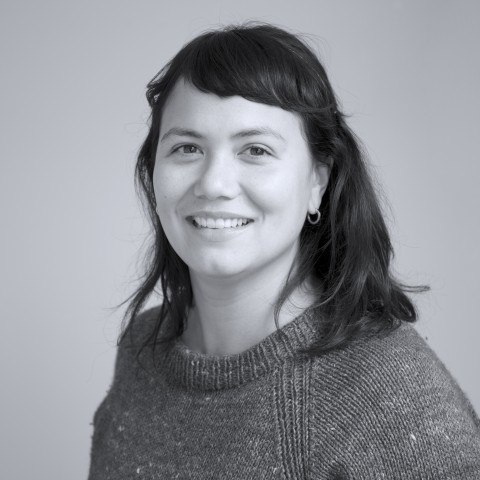
Dr. Helena Gonzales Lindberg is a senior researcher at Nordland Research Institute in Bodø, Northern Norway. Currently, her research is mainly about climate adaptation in the Arctic region (Northern Norway, Svalbard), with a keen interest in the powers and roles of visual representation. She has an interdisciplinary background in human geography and political science and wrote her dissertation about the constitutive power of maps in the Arctic.
Website: (1) Nordland Research Institute
(Partner) North Atlantic Marine Mammal Commission (represented by Geneviève Desportes)
NAMMCO is an international regional body for cooperation on conservation, management and study of cetaceans (whales, dolphins and porpoises) and pinnipeds (seals and walruses) in the North Atlantic. The members of NAMMCO — Faroe Islands, Greenland, Iceland and Norway — are committed to sustainable and responsible use of all living marine resources, including marine mammals.
Observers: Seals, Stigma and Survival involves a number of observers organisations and scholars. The following are a selection of the observers to this project:
(Observer) Fur Institute of Canada (represented by Doug Chiasson)
The Fur Institute of Canada is the country’s leading authority on humane trap research and furbearer conservation, and is the official trap-testing agency for the federal government of Canada and all provincial/territorial governments. The FIC is mandated to provide accurate information relating to the economic, social, cultural and environmental issues surrounding the harvesting of wild and farmed fur in Canada.
The FIC also represents the Seals and Sealing Network. The SSN aims to bring together Canada’s sealing industry harvesters, processors, manufacturers, retailers, and Indigenous Peoples of Canada to promote and market high quality and sustainable Canadian Seal Products.
(Observer) Canadian Sealers Association
The CSA represents more than 6,000 sealers who are professional fishers, licensed by the government of Canada. The primary objective of the CSA is the full utilization of each animal harvested. These activities combined with new educational and public awareness efforts have resulted in an assurance of the sustainable development of the resource, exemplary harvesting and management practices with emphasis on humane methods and the production and marketing of quality products on a consistent basis.
(Observer) Viktor Eriksson, also representing Archipelago Pares rf., an environmental NGO that work on various conservation topics and culture heritage in the archipelago around Åland and hosts workshops on seal utilization and hunter education.
(Observer) Anne Troake – Documentary filmmaker, graduate MA (Anthropology) Memorial University
- “An Interview with Documentary Filmmaker Anne Troake: Reflecting on Anti-sealing Activism and its Impact on Rural Coastal Peoples in Canada”
(Observer) Markus Vetemaa – Dr. Vetemaa is currently the director of the Estonian Marine Institute at the University of Tartu. His main interests are piscivorous animal and fishery conflicts and bycatch. In addition to conducting ecological research, his institute is currently also promoting seal meat dishes and organizing chef training. He is interested in participating in the project as an observer, because up-to-date information is important for me to do his work in Estonia.
(Observer) Sanne Moedt
(Observer) Charlotte Gehrke
(Observer) Anatole Danto
(Observer) Coastal People Resource Protection Group (represented by Mike Kehoe)
(Observer) Sven-Gunnar Lunneryd (Swedish seal hunter and researcher)
(Observer) Jouni Heinikoski
(Observer) Anna Carin Westling
Disclosure: This project is funded by the Nordic Arctic Programme, with in-kind support from NAMMCO and SSN.
Please note that this page is a ‘live’ document. Its aims are two-fold: provide transparency on project participation and help facilitate networking amongst project participants. However, this page is subject to amendment as the project evolves. As such, this page may not necessarily reflect all those who are associated with the project as secondary investigators, partners or observers. If you are a project participant and would like to request amendment to your content on this page, please contact the principal investigator (Danita Burke) directly.

